
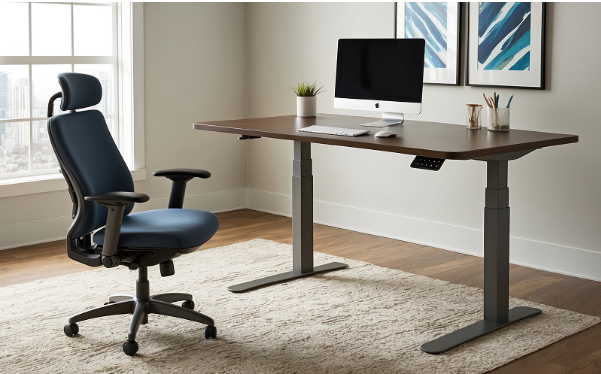
Modern work routines tend to demand long hours seated at desks, a reality that takes a toll on physical health. Over time, poor posture can lead to recurring back pain, stiffness, and even more complex musculoskeletal issues. While some turn to medical treatments or therapy, many of these issues stem from one thing: a poorly designed workspace. Thankfully, there are practical ways to improve posture and comfort without resorting to expensive interventions. Here’s how to do it efficiently with nothing more than thoughtful adjustments and the right office furniture in Singapore.
1. Choose an Ergonomic Table and Chair in Singapore
Begin by investing in a setup that supports your body’s natural alignment. An ergonomic table and chair in Singapore isn’t simply about luxury or trend, it’s about necessity. Look for chairs that offer adjustable seat height, lumbar support, and a backrest that encourages an upright position. When paired with a desk that suits your height, these features collectively reduce pressure on your spine and shoulders. Office furniture in Singapore now includes many options designed with this functionality in mind, making it easier to set up a more health-conscious space.
2. Elevate Your Workspace with a Height-Adjustable Table in Singapore
Static desk setups often contribute to prolonged sitting, which tightens hip flexors and weakens postural muscles. A height-adjustable table in Singapore allows users to switch between sitting and standing throughout the day. This flexibility supports spinal health and encourages movement, which is crucial for preventing stiffness. Start with short standing intervals and gradually increase duration based on comfort. It’s not about abandoning your chair completely but just giving your body more freedom to shift and adjust.
3. Align Monitor and Keyboard Placement
Screen height and keyboard positioning play a vital role in maintaining neutral posture. Your monitor should be at eye level, and the keyboard should sit close enough to keep elbows at a 90-degree angle. Straining to see a screen or reaching forward repeatedly can compromise the spine and shoulder alignment. With the right desk, especially one with adjustable features, these elements can be positioned correctly without much effort.
4. Avoid Over-reliance on Cushions or Temporary Fixes
Using cushions, back supports, or posture braces may offer momentary relief, but they rarely correct the core issue. In some cases, they may even encourage slouching by replacing muscular support with passive tools. Instead, focus on the long-term solution: creating a work environment that supports good posture naturally. A well-designed ergonomic chair in Singapore will support your spine in its natural S-curve, reducing the need for makeshift props.
5. Take Movement Breaks Throughout the Day
Even with premium office furniture in Singapore, no chair or desk can replace the need for regular movement. Encourage brief walking breaks every hour to loosen joints and stimulate circulation. Set timers if necessary to build the habit. Pair this with light stretches, especially for the neck, shoulders, and lower back. It’s a simple change, but one that reinforces everything your furniture is trying to support.
6. Evaluate Lighting and Screen Glare
Poor lighting can cause you to lean forward, crane your neck, or squint, each of which strains your posture. Make sure your workspace has adequate lighting, ideally natural, and that screen brightness is properly calibrated. Avoid positioning monitors directly in front of windows, which often leads to glare. Subtle changes like this can reduce eye fatigue and discourage posture-compromising habits.
7. Keep Feet Flat and Hips Level
Posture starts from the ground up. Feet should remain flat on the floor, with knees at hip level or slightly below. If your chair doesn’t allow for this, consider a footrest. Avoid crossing legs or tucking feet under the seat for extended periods. This position keeps your pelvis aligned and supports your lumbar spine in maintaining its natural curvature.
8. Customise Your Setup to Suit Your Work Habits
The ideal workspace isn’t universal. Someone who types for long periods might need a different setup from someone who sketches or uses multiple monitors. Evaluate how you work, and adjust accordingly. Office furniture in Singapore now caters to a wide variety of work styles, from modular desk systems to chairs with adaptable features. This flexibility makes it easier to design a space that supports health without compromise.
9. Don’t Wait for Pain to Start Making Changes
The absence of pain doesn’t necessarily mean everything’s fine. Waiting for discomfort before adjusting your workspace usually means the problem has already developed. Prevention works far better and far cheaper than any treatment plan. Early investment in ergonomically appropriate furniture minimises the risk of long-term complications and helps maintain daily productivity.
10. Seek Professional Help for Workspace Planning
Sometimes, the problem isn’t what you’re doing but how your workspace is set up. Consulting professionals who understand workspace ergonomics can reveal misalignments and provide practical, achievable changes. Whether you’re furnishing a home office or upgrading a corporate space, working with a team that understands ergonomic standards in Singapore ensures your setup meets more than aesthetic needs.
Contact Tableholic to make these changes seamless who specialise in workspace design.,
in setting up a healthier and more functional workspace.


