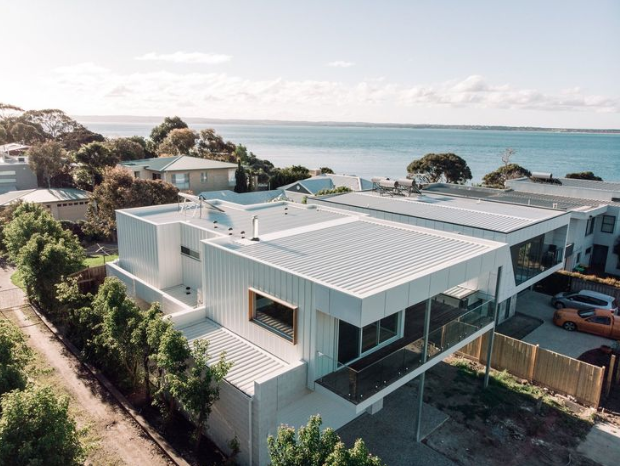
Building a home that reflects your personality and lifestyle is an exciting journey. Custom homes offer flexibility, style, and the ability to create spaces that perfectly suit your needs. But this journey requires careful thought, planning, and attention to detail. Understanding the essential considerations can make the process smoother and more rewarding.
Choosing the Right Location for Custom Homes
Location plays a crucial role in custom homes. The neighborhood, proximity to work, schools, and amenities influence daily life. Consider the landscape, climate, and future development plans. Even small details, like sunlight direction or nearby trees, can impact your design decisions. A well-chosen location ensures your custom homes remain comfortable and valuable for years.
Designing Functional Spaces in Custom Homes
Custom homes are unique because every room is tailored to your lifestyle. Focus on how spaces interact. Open layouts can create a sense of flow, while private areas offer retreats for rest. Think about storage, traffic patterns, and room sizes. Functional design makes everyday living easier and ensures your custom homes are not just beautiful, but practical.
Selecting Materials and Finishes for Custom Homes
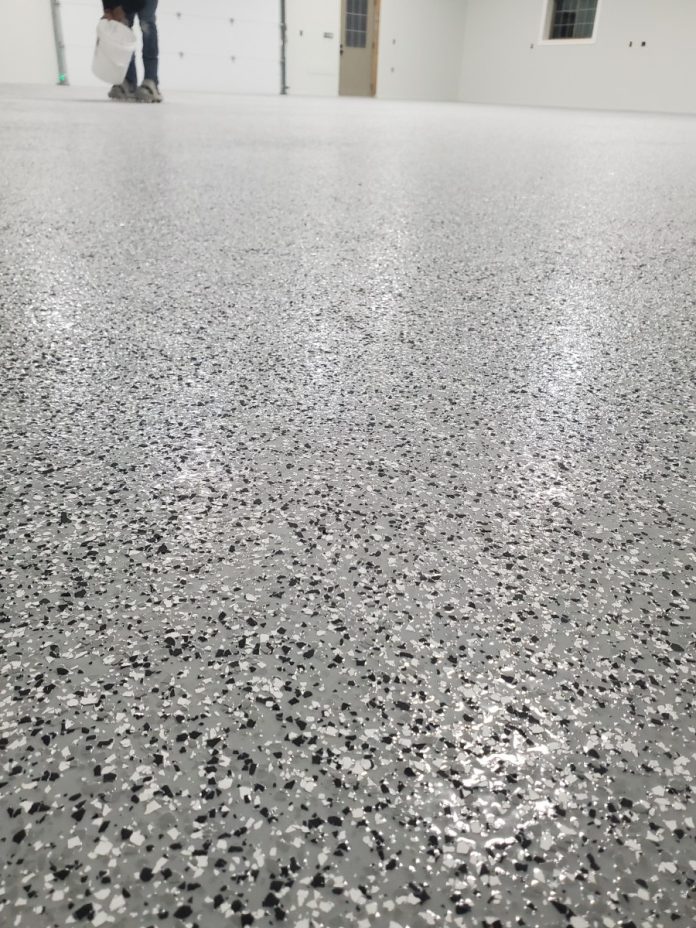
Materials define both the aesthetics and longevity of custom homes. From hardwood floors to energy-efficient windows, every choice affects appearance and maintenance. Consider durability, style, and sustainability when selecting finishes. Balancing cost and quality ensures your custom homes stand the test of time while reflecting your personal taste.
Planning Budgets and Costs for Custom Homes
Financial planning is essential when building custom homes. Unexpected costs can arise, so set a realistic budget early. Include construction, permits, design fees, and interior finishes. Flexibility in budgeting allows for design upgrades or unforeseen changes. Careful cost management keeps your dream home within reach without compromising quality.
Integrating Technology and Sustainability
Modern custom homes often incorporate smart technology and sustainable features. Energy-efficient lighting, solar panels, and smart home systems enhance convenience and reduce long-term costs. Sustainability choices like recycled materials or water-saving fixtures improve environmental impact. Thoughtful integration ensures your custom homes are forward-looking and efficient.
Collaborating with Experts
Working with experienced architects, builders, and designers is vital. Professionals bring technical knowledge, creativity, and problem-solving skills. They help translate ideas into reality while navigating regulations and construction challenges. Collaboration ensures your custom homes are built safely, efficiently, and exactly as envisioned.
Personalizing Interior Design
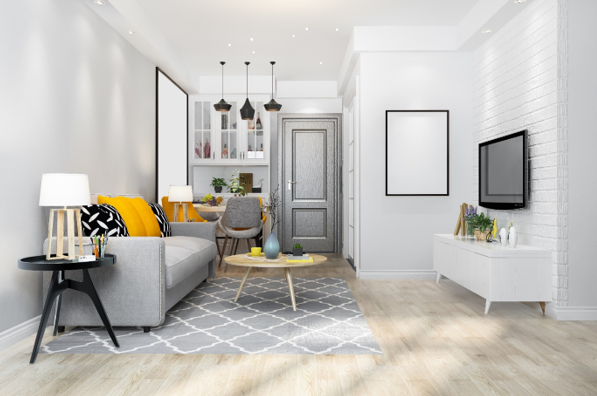
Personal touches make custom homes truly yours. Consider color palettes, furniture styles, and decorative elements that reflect your personality. Incorporate artwork, family heirlooms, or custom-built features to create spaces that feel warm and inviting. Attention to interior details ensures your custom homes not only function well but also resonate with your unique lifestyle.
Conclusion
Planning custom homes is a balance of creativity, strategy, and practical decision-making. From selecting the perfect location to designing functional spaces, choosing materials, and managing budgets, each step shapes the final result. With careful consideration and expert collaboration, your custom homes can reflect your personality, meet your needs, and stand as a lasting testament to your vision.